Tick Species in the US
Last updated: June 2026
Eight ticks worth knowing by sight, with real CDC reference photos so you've got something to actually compare against. Different species carry different diseases and live in different parts of the country, so knowing what bit you is genuinely useful information, not just trivia.
Knowing your tick species matters because different ticks carry different diseases and some only live in certain parts of the country. Identification is genuinely hard. Size and color change dramatically depending on life stage and how recently the tick has fed. A deer tick nymph is poppy-seed small and nearly translucent. An engorged adult female looks like a completely different animal. If you're not sure, your county extension office can often ID it, or use the TickEncounter tool from URI.
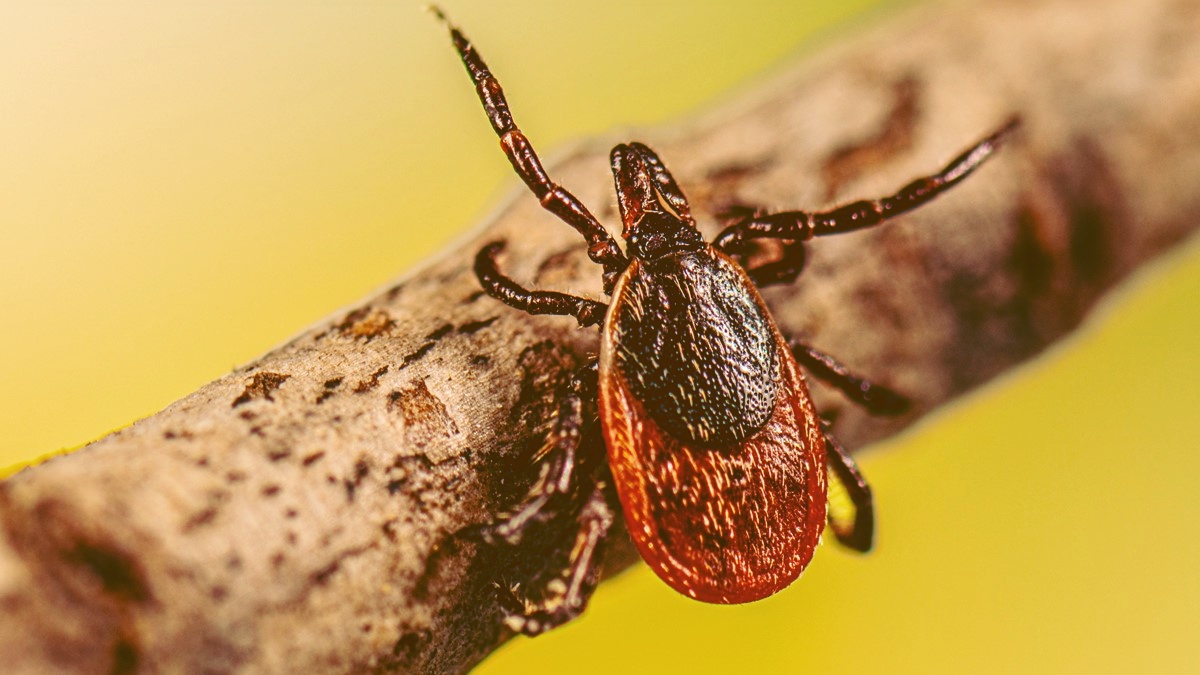
The one most people in the eastern US are dealing with. Adults are reddish-brown with dark legs, roughly sesame-seed size. The nymphs are the real problem: poppy-seed small, active in late May and June, responsible for the majority of Lyme transmissions. Lyme transmission generally requires 24 to 48 hours of attachment, which is why a same-day tick check matters so much. According to the CDC, the stages most likely to actually bite people are nymphs and adult females, and adults can be out looking for a host any winter day the temperature gets above freezing.
Also carries: Anaplasmosis, babesiosis, Lyme disease (Borrelia burgdorferi and B. mayonii), hard tick relapsing fever (Borrelia miyamotoi), ehrlichiosis, Powassan virus
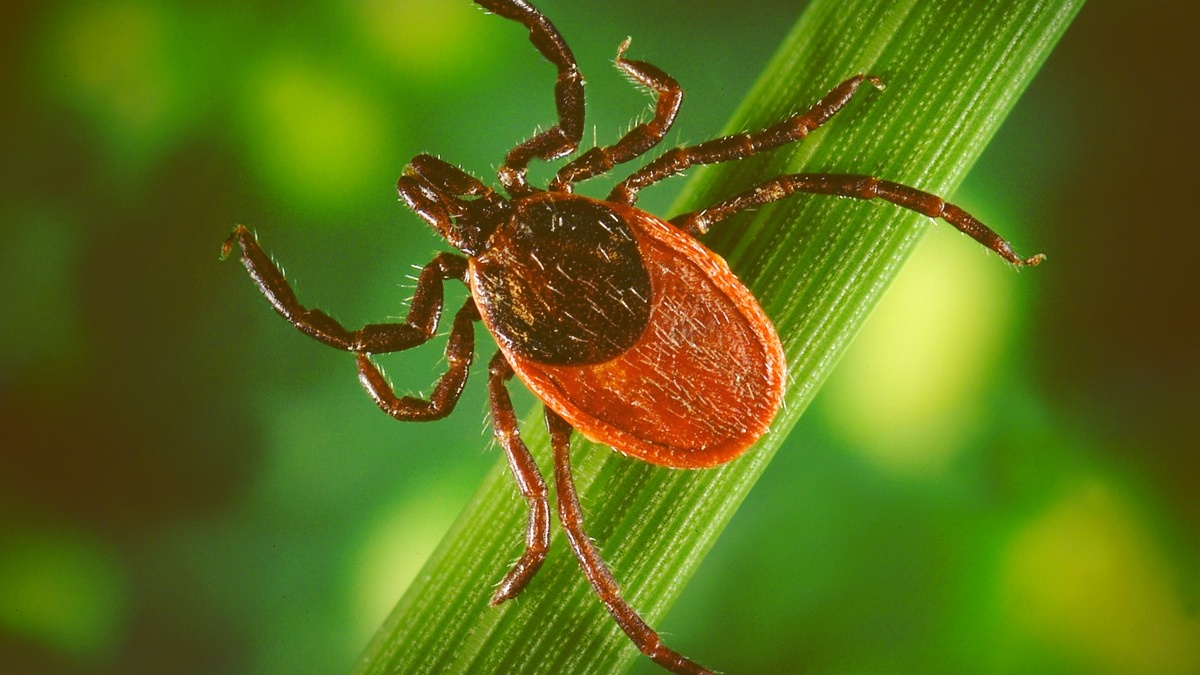
Essentially the West Coast counterpart to the deer tick. Nearly identical in appearance. Found along the Pacific coast, particularly northern California. If you're in California, Oregon, or Washington, this is the Lyme-disease-carrying tick to know. Same precautions apply. The West Coast tick season runs differently: nymphs peak in spring and early summer, but adults are most active in fall and winter. All life stages will bite humans, though nymphs and adult females are the ones most often actually found on people.
Also carries: Anaplasmosis, hard tick relapsing fever (Borrelia miyamotoi)
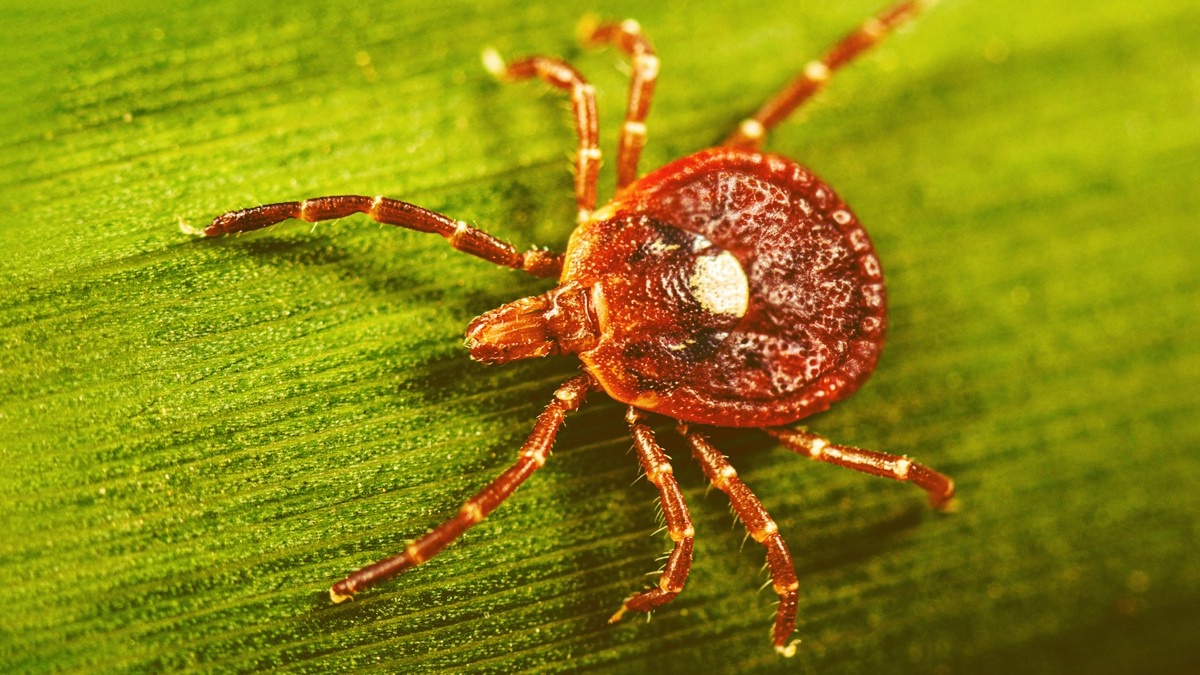
Easy to identify: the female has a single white dot dead center on her back. Widely distributed across the Northeast, South, and Midwest at this point, and still spreading. A very aggressive tick about biting people, and its saliva is irritating enough on its own that redness and discomfort at the bite site doesn't necessarily mean an infection. Their connection to alpha-gal syndrome is the thing that surprises people most. A bite can trigger a delayed allergic reaction to red meat that develops months or years later. Many people never connect the allergy to a tick bite because so much time passes. This is the one that affected my wife, and it's worth reading more about on the alpha-gal page.
Also carries: Ehrlichiosis (Ehrlichia chaffeensis and E. ewingii), tularemia, Heartland virus, Bourbon virus, STARI (a Lyme-like rash illness caused by a different bacterium)
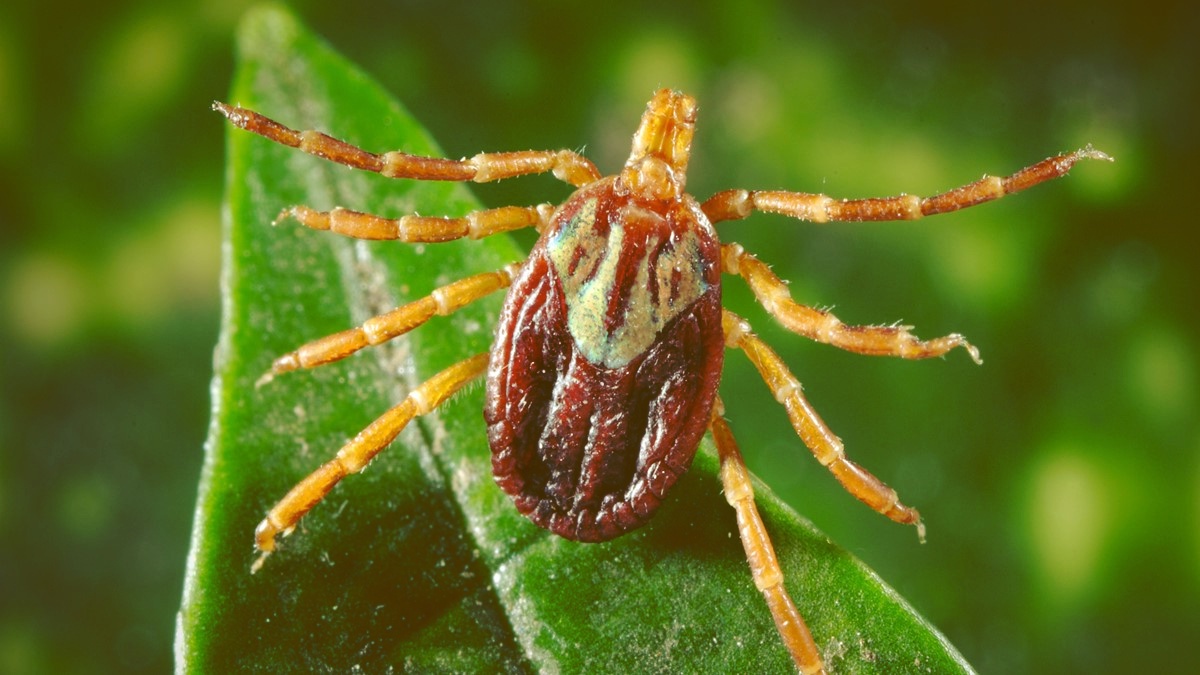
Mainly a southeastern tick, with smaller pockets showing up in the northeast, the Midwest, and the southwest too. Looks similar to the American dog tick at a glance but has more ornate, mottled markings on its back. The adults are the ones that have actually been tied to transmitting disease to people.
Also carries: Rickettsia parkeri rickettsiosis, a form of spotted fever distinct from Rocky Mountain spotted fever, generally milder but still worth medical attention
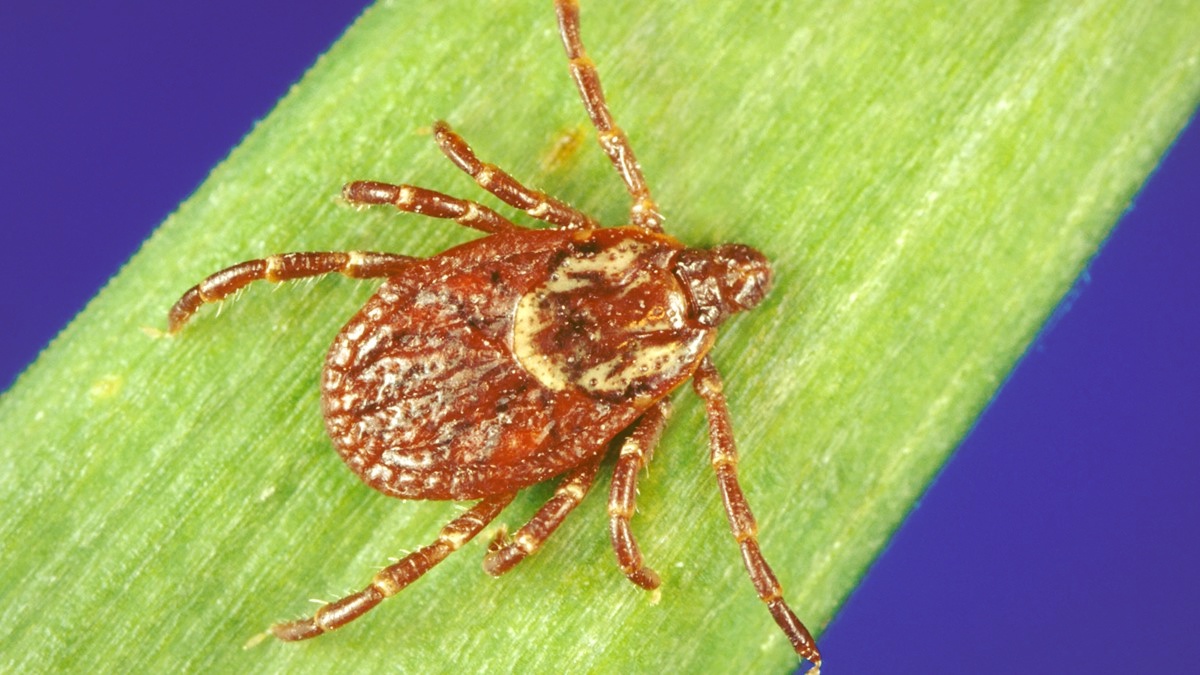
Bigger than a deer tick, brown with cream or gray mottled markings. Widely distributed east of the Rockies, with a separate newly described species, D. similis, found west of the Rockies that researchers are still working out the disease role of. Prefers open grassy areas over dense woods. People sometimes dismiss dog tick bites because this tick does not carry Lyme. Rocky Mountain spotted fever is serious and can be fatal without prompt antibiotic treatment. The highest risk of being bitten is in spring and summer, and it's the adult females that are most likely to actually bite a person. A dog tick bite deserves the same watchfulness as any other.
Also carries: Tularemia
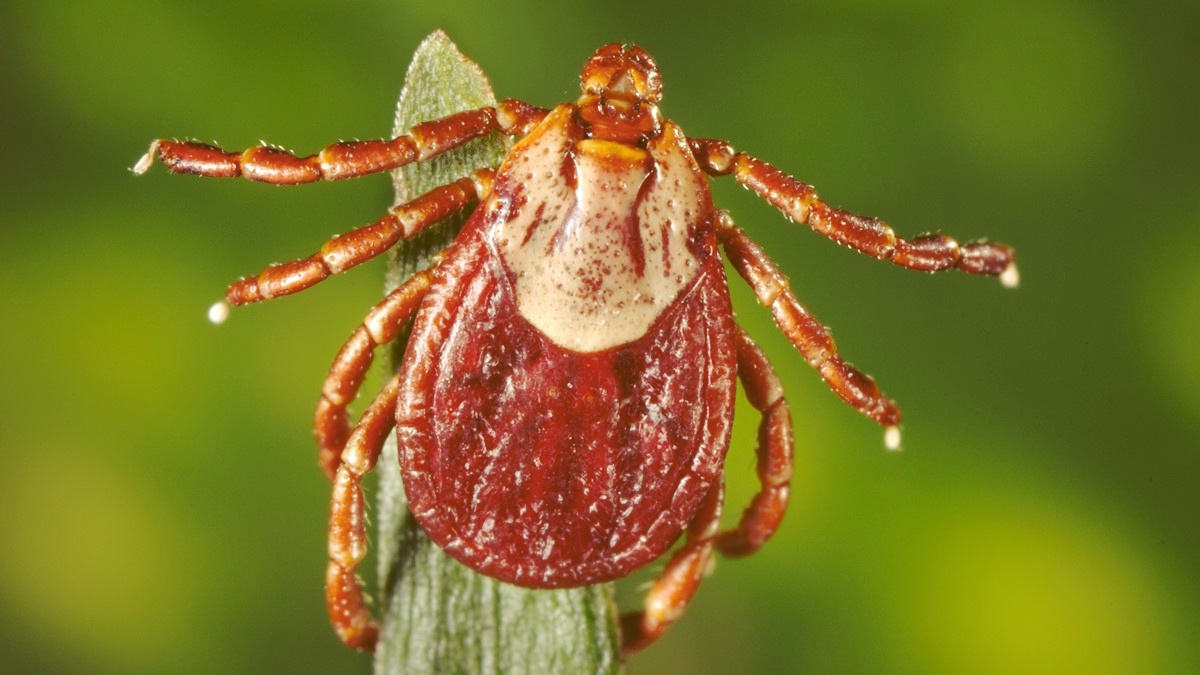
Looks nearly identical to the American dog tick. Found in Rocky Mountain states and southwestern Canada, specifically at elevations between about 4,000 and 10,500 feet, so this is a higher-elevation tick more than a lowland one. Most active in spring and early summer. Peak season April through early July. It's the adults doing essentially all the disease transmission to humans with this species. If you're hiking in Colorado, Wyoming, Montana, or Idaho during those months, this is the primary tick concern.
Also carries: Colorado tick fever, tularemia
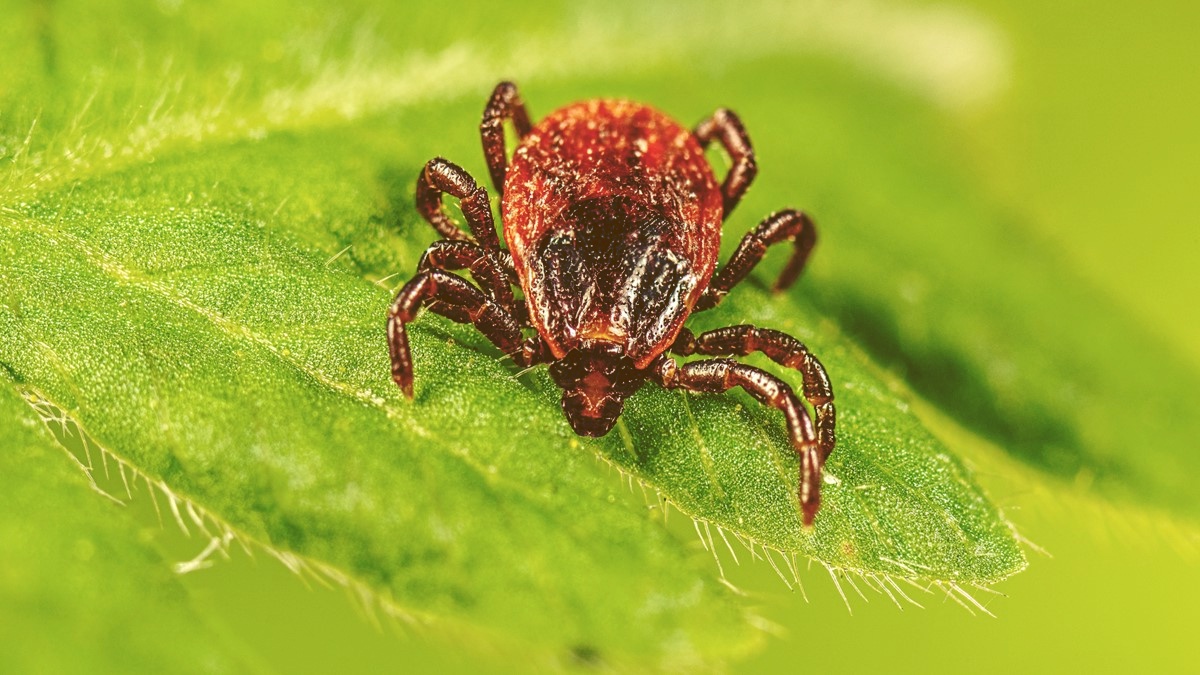
Found worldwide, and the only tick species in the US that can complete its full life cycle indoors. If your dog uses a kennel or travels frequently, this is relevant. Uniformly reddish-brown without mottled markings. Dogs are this tick's primary host at every life stage, but it'll bite humans or other mammals too. A significant Rocky Mountain spotted fever vector specifically in the southwestern US and along the US-Mexico border.
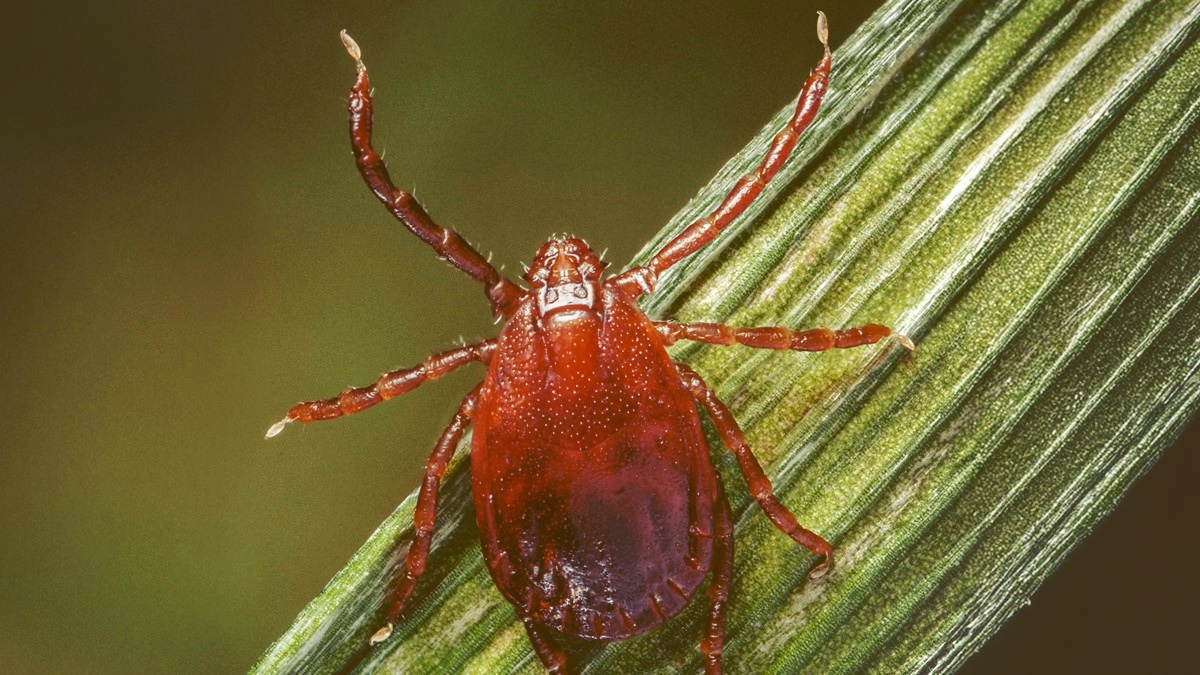
This one's worth knowing about specifically because it's new and it's spreading fast. Not native to this side of the world, first found in the US in 2017, and as of last CDC count it's turned up in 20 states including Ohio: Arkansas, Connecticut, Delaware, Georgia, Illinois, Indiana, Kentucky, Maryland, Massachusetts, Missouri, New Jersey, New York, North Carolina, Ohio, Pennsylvania, Rhode Island, South Carolina, Tennessee, Virginia, and West Virginia.
A couple things make this tick unusual. The females don't need to mate to lay eggs, they can reproduce on their own, which means you can end up with thousands of them on one animal or patch of grass at once. It doesn't seem to be as drawn to biting humans as our native ticks are, which is some good news, but researchers are still working out whether it can spread Lyme disease here (one study suggests it likely doesn't contribute much to that) and whether it can carry Rocky Mountain spotted fever bacteria, which a lab study showed it's capable of, though that bacteria hasn't actually been found in these ticks out in the wild yet. This is very much an active research area, not a settled one.
Status: Found on pets, livestock, wildlife, and people. If you're in one of the states above and find an unusually heavy tick infestation on an animal, this is worth considering and worth reporting to your local extension office.